
Choose a PEM electrolyzer stack when your project includes designing and integrating the equipment around it. Choose a complete PEM hydrogen generator when you want those functions supplied as an integrated package, with a defined configuration for your application.
The deciding question is who will take responsibility for turning the electrolyzer into a working hydrogen supply. A stack and a generator may have the same nominal hydrogen output, but they can leave very different amounts of work to your team.
What are you actually buying?
A PEM electrolyzer stack is the electrochemical core of the equipment. It uses electricity to split water into hydrogen and oxygen. The underlying process is explained in the U.S. Department of Energy’s introduction to electrolysis.
The stack is one part of a working installation. It needs suitable electrical power, water management, gas handling and controls. With a stack purchase, the quotation should identify which supporting components, if any, are supplied alongside it.
A complete hydrogen generator brings the stack and an agreed set of supporting equipment together. However, “complete” describes the supplied package. You still need to establish its installation requirements and whether your application needs anything beyond that package.
|
Buying question |
PEM electrolyzer stack |
Complete PEM hydrogen generator |
|---|---|---|
|
What is the main deliverable? |
The stack assembly, plus any separately agreed components. |
An integrated unit with a specified equipment list. |
|
Who provides the electrical supply equipment? |
Your team provides a compatible supply or orders an agreed matching supply. |
The unit includes the power supply specified for that configuration; site power must match its input requirements. |
|
Who arranges water and gas handling? |
Your team designs or sources the supporting arrangement, unless it is included in the order. |
Some functions are built into the unit; downstream treatment and connections still need checking. |
|
Who handles integration? |
Your team or its integrator connects and validates the stack within the wider equipment. |
The supplier integrates the specified unit; responsibilities for site connections and commissioning must still be agreed. |
|
What should the quotation make clear? |
Stack requirements, interfaces and every included supporting item. |
Built-in equipment, external requirements, accessories and installation scope. |
Same hydrogen output, different delivery scope
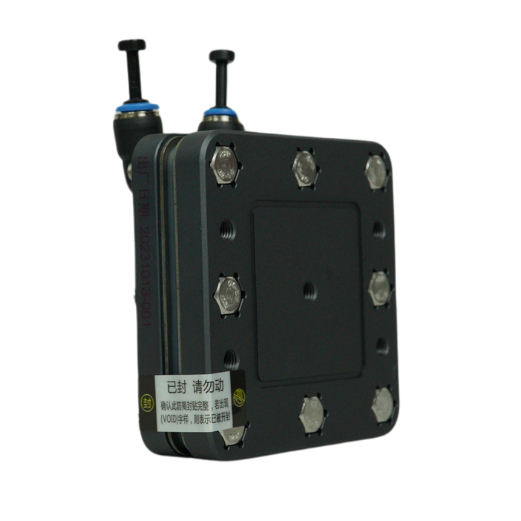
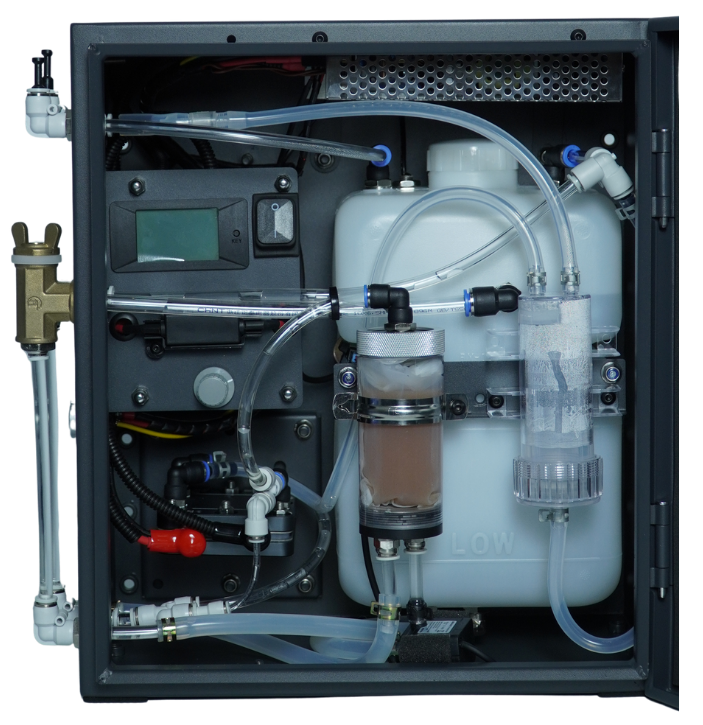
The distinction is visible in two Mads Energy products, both listed at 150 mL/min nominal hydrogen output.
The MEPE-150 PEM electrolyzer stack is supplied as a stack. Supporting power supply, water circuit, gas-water separation and controls are agreed separately. The final quotation identifies the included components and documentation.
The MEHS-150 PEM hydrogen generator combines a PEM electrolyzer, power supply, gas-water separator, water tank and water pump in one enclosure. Its final configuration, accessories and documentation are also specified in the quotation.
The shared flow rating does not make the two purchases equivalent. One leaves the supporting arrangement to be defined; the other brings specified components together. Neither that flow rating nor the word “generator” establishes whether a dryer, compressor or hydrogen storage system is included.
When does a stack make sense?
A stack is worth considering when you are developing equipment around the electrolysis process or already have a suitable test bench or system design. You may need to fit the electrolyzer into a particular enclosure, use your own control system or connect it to existing water and gas equipment.
Before choosing this route, identify who can check electrical compatibility, water requirements, mechanical connections, monitoring and the operation of the assembled system. Having a spare power supply or pump does not establish that it is suitable for the selected stack.
The purchasing advantage is control over how the stack fits into your project. That comes with work: component selection, interface checks, assembly, testing and documentation all need an owner. Include that work when comparing the project with an integrated generator purchase.
When does a complete generator make sense?
A complete generator is worth considering when your main task is to use hydrogen—for example, in a defined laboratory or demonstration setup—and you want the supporting components supplied together.
This route can reduce the equipment integration left to your team, provided the supplied configuration meets the application. Check the required hydrogen flow, gas quality and delivery pressure, then establish how the unit connects to your site and downstream equipment.
Ask for the installation requirements before placing the order. Site power, water quality, ventilation, space and external connections still matter. Also confirm what the supplier provides for setup and commissioning. An enclosed unit should not be treated as ready for every application simply because its components are already assembled.
How to compare the quotations fairly
Put both options against the same application requirements before comparing their prices.
Compare usable hydrogen delivery. Record the required flow, the conditions used to state that flow, outlet pressure and gas quality. A nominal flow figure alone does not establish suitability for the receiving equipment. Identify any additional gas treatment needed and who supplies it.
Keep electrical figures on the same basis. Stack DC consumption and complete-system electricity use describe different boundaries. DOE lists stack and system efficiency separately in its PEM electrolysis technical targets. Ask what equipment a quoted consumption figure includes and under which operating conditions it was measured. A matching power supply’s rated capacity is not a measurement of the generator’s operating consumption.
Include the work outside the purchase price. For a stack, list the supporting hardware and integration work your team must provide. For a generator, list site preparation, external connections and any equipment beyond the supplied unit. Compare the total scope needed for your project; a lower equipment price does not by itself establish a lower completed-project cost.
Agree the handover. The quotation should identify the supplied configuration, documentation, agreed performance conditions and any testing or commissioning included. This helps both parties understand what will be delivered and what remains the buyer’s responsibility.
What to send with your inquiry
You do not need to decide every component before contacting a supplier. Start with:
If you are still choosing between the two, describe the equipment you already have and the work your team can undertake. That gives the supplier a useful basis for proposing a delivery scope.
Explore Mads Energy’s PEM electrolyzer stacks and PEM hydrogen generators, or send your project requirements to discuss the appropriate configuration.